
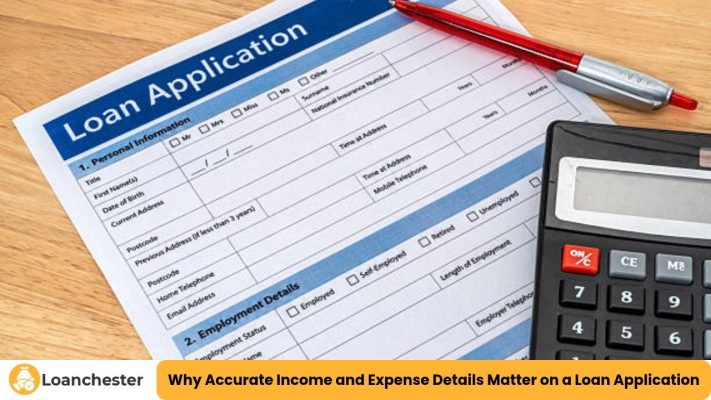
Why Accurate Income and Expense Details Matter on a Loan Application
Filling out the loan application form is simple and straightforward. Giving an account of your income and expenses is not as simple as you think. In the temptation of increasing your chances of getting approval, you might not provide strictly accurate financial details.
Whether you are applying for a personal loan or a mortgage, a responsible lender will run an affordability check, which includes perusal of your credit score as well as your income. Accurate income and expense details help lenders make informed lending decisions. On the other hand, inaccurate or incomplete information can lead to delays, rejections, and financial difficulties down the line.
Accurate income details help demonstrate affordability
Your income is one of the key factors influencing a lender’s decision. It is vital to provide your accurate income details because it helps demonstrate affordability. Common sources of income that you might consider include:
- Salary or wages
- Self-employment earnings
- Pension income
- Rental income
- Government benefits
- Investment income
Providing accurate income figures ensures the lender gets a realistic picture of your financial position. It is suggested that you do not provide false figures only because you are desperate to get approval. Inaccurate information will lead to borrowing more than your affordability. This will most likely trap you into an ongoing cycle of debt.
Overstated income increases the risk of a payment failure
Some applicants may feel tempted to overestimate their earnings in hopes of qualifying for a larger loan. However, lenders usually verify income through documents such as:
- Payslips
- Bank statements
- Tax returns
You might not be able to overestimate your income, but you might meddle with accurate expenditure records. This may improve your chances of approval, but you will end up borrowing more than your affordability. When debt repayments are added to your current expenses, you will most likely find yourself unable to discharge your debt. As a result, there is a high chance that you fall into debt.
Understated income increases the risk of rejection
Underreporting income can also be problematic. If you fail to include legitimate income sources, you may appear less financially capable than you actually are. This might result in:
- Lower borrowing limits
- Less favourable loan terms
- A missed opportunity to qualify for a loan
At the time of filling out a loan application form, you should ensure that you provide accurate income details. They should be neither overstated nor understated. If you provide accurate information to your lender, they will be able to determine your actual affordability.
It is vital to provide accurate expenditure details
Many borrowers focus primarily on income and give less attention to expenses. However, lenders examine spending patterns as closely. How much income you earn is one thing, and how much income you are left with at the end of the month is another.
Lenders want to see whether new debt repayments will easily fit in your budget. This is what lenders do when running affordability checks for personal loans in the UK, for instance. This will help them understand whether you can repay the debt without managing your expenses.
Your monthly expenses may include:
- Rent or mortgage payments
- Utility bills
- Insurance premiums
- Transportation costs
- Childcare expenses
- Existing loan repayments
- Credit card commitments
- Food and household expenses
These costs help lenders understand how much of your income is already allocated elsewhere.
A clear picture of financial commitments allows lenders to see whether a loan fits comfortably within your budget. For example, two individuals may earn the same salary, but one may have significantly higher monthly obligations. Without accounting for expenses, income alone would not provide an accurate measure of affordability.
Accurate income details reduce the risk of overborrowing
Responsible lending practices are designed to protect both borrowers and lenders. If a lender approves a loan based on inaccurate income or expense information, you will most likely end up with repayments that strain your finances. This may increase the risk of:
- Missed payments
- Additional borrowing
- Growing debt levels
- Credit score damage
- Financial stress
Providing accurate details helps ensure that any approved loan amount aligns with your actual financial circumstances.
It helps with a faster application process
The biggest benefit of providing accurate information is that it enables a smoother application process. Accurate income and expense details in a loan application help lenders easily verify them, which speeds up the approval process.
It helps build trust with the lender
When you provide complete and accurate information, lenders gain confidence in the reliability of the application. Transparency demonstrates financial responsibility and a willingness to cooperate throughout the assessment process.
Even if your financial situation is not perfect, you will be more likely to receive approval for a loan. Your honesty reveals your willingness to demonstrate your repayment capacity.
Review your financial habits overall
In order to assess your income and expenditure accurately, you will need to track your spending details. You cannot get to know how much you spend every year unless you track your expenses.
The areas where you should focus are:
- Unnecessary spending
- Forgotten subscriptions
- Underestimated living costs
- Opportunities to improve budgeting
By calculating income and expenses carefully before applying, you can better understand what level of borrowing is genuinely affordable. This can help prevent repayment difficulties down the road.
The bottom line
Accurate income and expense details in a loan application form ensure your affordability and a faster approval process. They help lenders assess affordability, support responsible lending decisions, and ensure you are offered a loan amount that matches your financial circumstances.
Being transparent about your earnings and spending not only improves the likelihood of a smoother application process but also helps protect your long-term financial wellbeing.
Before submitting any loan application, take time to review your finances carefully, gather supporting documents, and ensure the information you provide is complete and accurate. This will help increase your chances of approval and your future financial stability.
FAQs
- Do lenders verify my income?
Yes. Most lenders verify income using documents such as payslips, bank statements, and tax returns.
- Which expenses should I include on a loan application?
You should include regular expenses such as rent or mortgage payments, utility bills, insurance, transportation expenses, credit card payments, loan repayments, and general living costs.
- What is affordability assessment?
An affordability assessment is the process that lenders use to determine whether you can comfortably manage loan repayments without compromising on your other essential expenses.

John Milton is an experienced financial writer and personal loan expert with years of experience identifying the right category for people. He has been Chief Financial Expert at LoanChester in the UK and provides insights on the big deals of the lending institution. He is known for transforming the loan policies as per the unique needs of different borrowers. First, he focuses on what the borrowers require according to their favourable and adverse financial stances, and then he focuses on making a variety of personal loans affordable. John writes well-researched content on personal loans and also guides borrowers regarding their unique financial conditions. John holds a Ph.D. degree in banking and finance.


